Educate yourself on vital roof care to Ensure Your Homes Safety and structural strength.
The importance of keeping up a safe and durable roof cannot be overstated. Property owners frequently ignore necessary roof care until significant problems arise. Routine checks often reveal underlying problems, while understanding standard fixes can save money on major repairs. Understanding materials and the importance of water runoff also contributes significantly in how long the roof lasts. As homeowners navigate these complexities, knowing how to choose the right contractor is vitally necessary. What steps can they take to protect their property?
Why You Need Periodic Roof Assessments
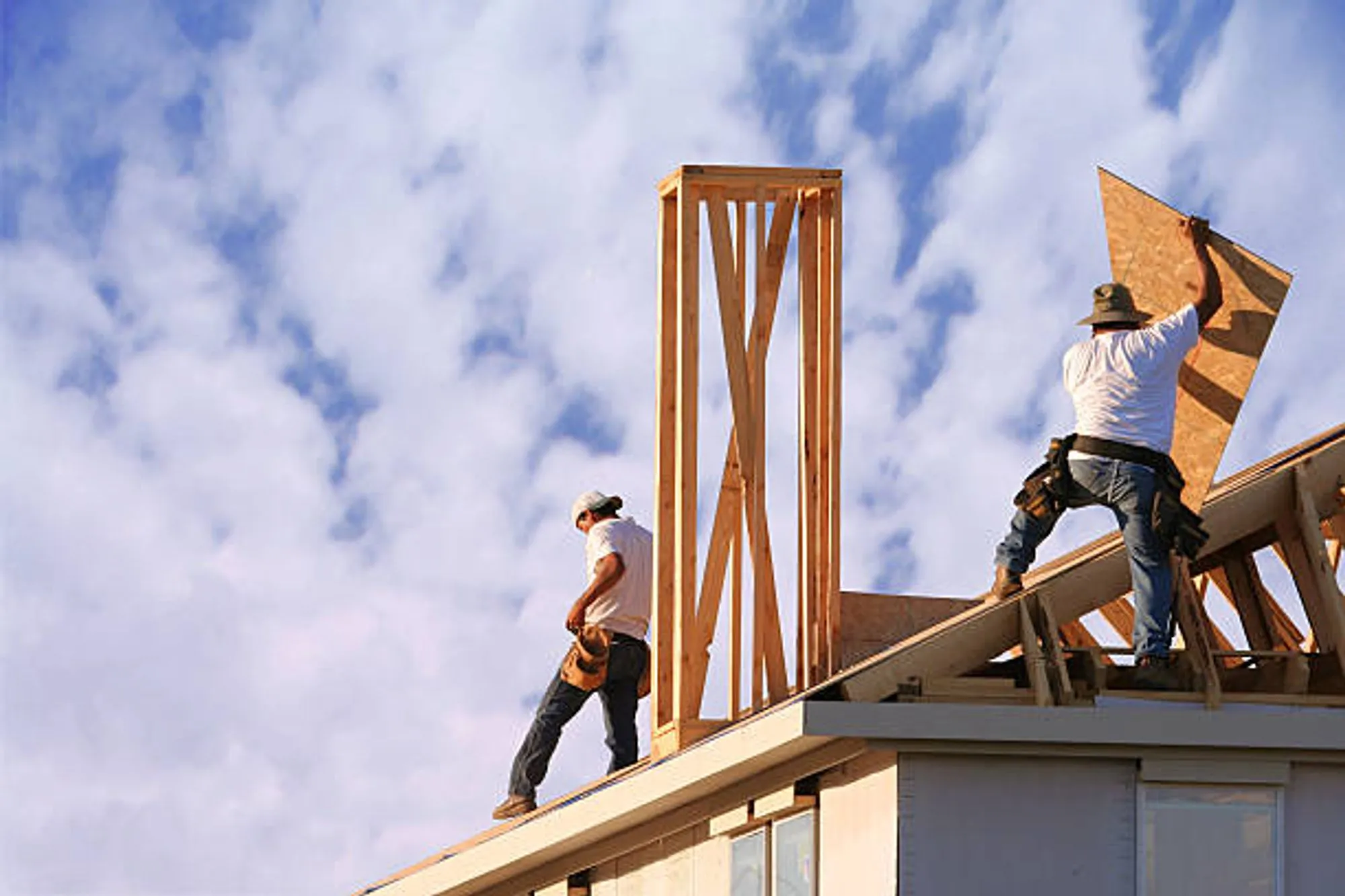
Although many homeowners may overlook it, the importance of regular roof inspections is extremely high. These inspections are essential for maintaining the integrity of a home. Roofs naturally degrade over time due to various environmental factors, including the elements, collected refuse, and aging materials. Periodic assessments uncover early signs of trouble before they turn into major issues, such as leaks or structural damage. Furthermore, timely roof upkeep can increase the longevity of the roofing system, cutting down on expensive fixes in the long run. Assessments ought to be done annually at a minimum or after extreme climate exposure. Using qualified roofers guarantees a thorough assessment, as qualified eyes detect initial evidence of decay that an untrained eye might miss. Ultimately, prioritizing regular roof inspections contributes to a safe and secure living environment, protecting both the property and those who live there.
Common Roofing Repairs and Their Benefits
Periodic assessments do more than just find trouble but also pave the way for necessary roofing repairs when damage is noticed. Standard maintenance covers sealing water intrusion, replacing damaged shingles, and clearing debris from gutters. Fixing water intrusion quickly can avoid liquid harm and mold growth, preserving the building and interior. Mending worn shingles boosts the roof's structural soundness and enhances the property's appearance, guaranteeing long-term durability. Additionally, cleaning gutters stops water accumulation, potentially causing expensive fixes and issues with the home's base.
These repairs contribute greatly to making the roof last longer and keeping the home energy efficient. Homeowners who invest in routine maintenance and quick mending can steer clear of major, expensive overhauls later on. In the end, addressing common roofing issues secures the home's safety but also gives property owners reassurance, sure that their investment is safe from the weather.
How to Replace a Roof
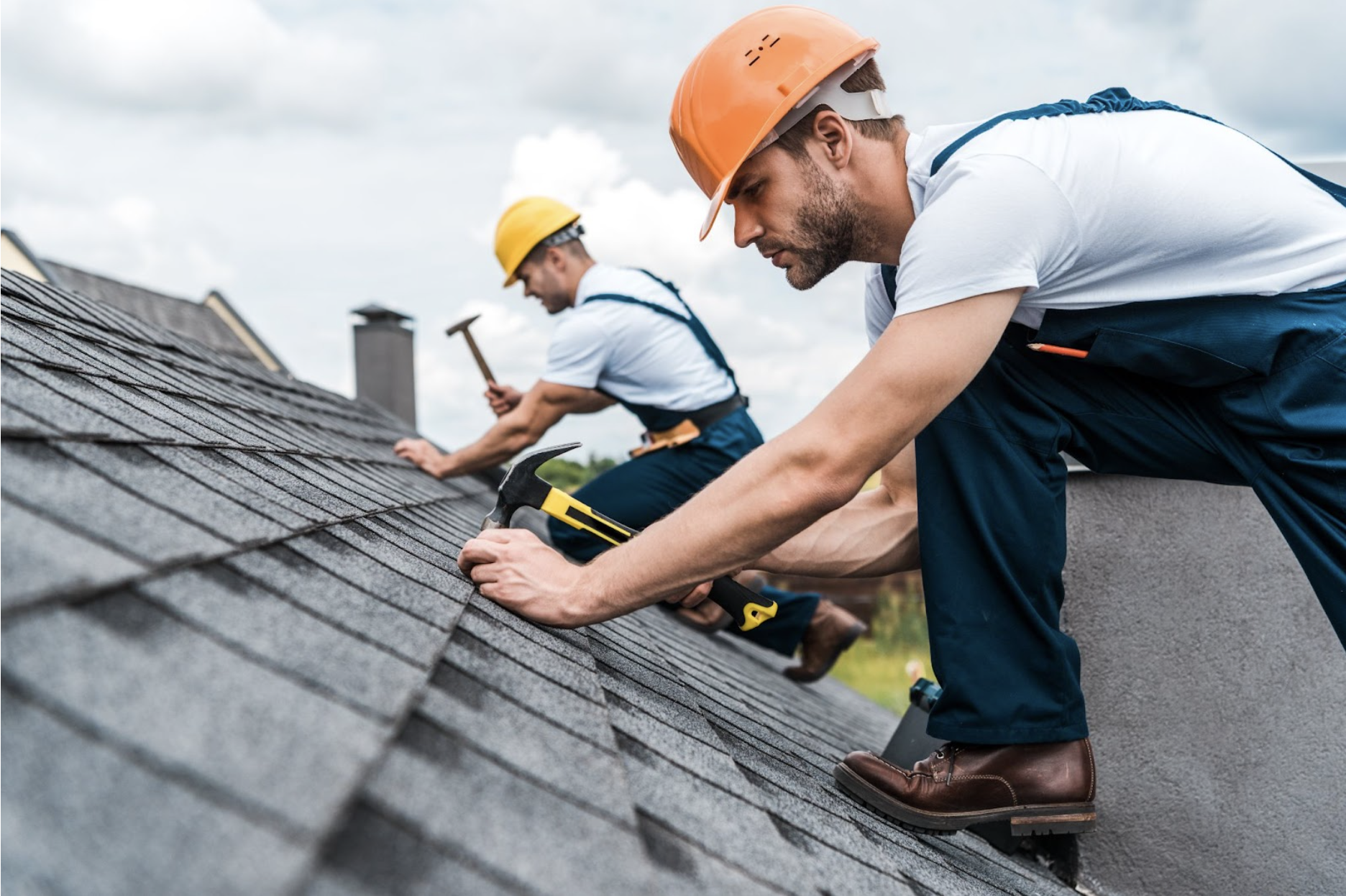
A roof replacement project includes several vital stages to secure a resilient and successful fitting. Initially, the current roof is carefully inspected to determine its current shape and figure out what needs fixing or replacing. After the evaluation is finished, property owners need to choose an expert roofer that can offer a suitable strategy and timeline for the project.
The next step involves removing the old roofing materials, which may include shingles, underlayment, and flashing. This step is essential for finding hidden issues to the decking. Following the tear-off, the deck is fixed as needed, ensuring a solid foundation for the replacement roof.
Once the deck is secure, new roofing components are installed, with the addition of correct flashing and air circulation systems. In closing, a thorough cleanup is performed, leaving the property in pristine condition and making sure the new roof protects for years.
A Guide to Roofing Materials and Longevity
Having knowledge of roofing materials is crucial for those seeking to make educated choices about their roofing needs. Each type of roofing material comes with its own lifespan and upkeep needs, influencing overall costs and resilience. Through reviewing standard choices, how long they last, and the necessary upkeep, people can more effectively prepare for their roof requirements.
Types of Standard Roofing Materials
Numerous roofing material types are available, all providing distinct advantages and diverse useful lives. Asphalt roofing materials are widely used because they are inexpensive and ease of installation, they are often chosen for residential homes. Metal roofs, recognized for its long life and see this requires little upkeep, is available in many designs, including standing seam and corrugated sheets. Tiles used for roofing, usually composed of clay or concrete material, provides a distinctive aesthetic and resists severe weather. Slate roofs, while more expensive, is valued for its longevity and attractive appearance. To conclude, man-made materials, like rubber or plastic, present green alternatives that resemble classic materials. Each material fulfills distinct needs, allowing homeowners to choose the best fit for their property.
Lifespan of Roofing Options
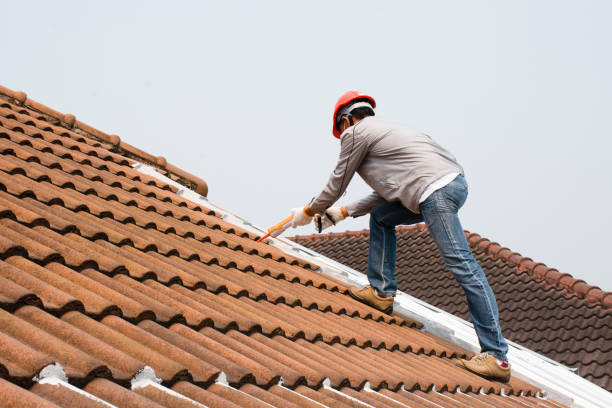
Selecting roofing materials means taking into account how they look and what they cost but also how long they will last. Various roofing choices have different durations, directly impacting homeowners' long-term investments. Asphalt shingles typically last around 15 to 30 years, depending on quality and installation. Metal roofs, famous for its resilience, can last between 40 and 70 years when installed properly. Tiles made of clay and concrete have a long lifespan, often reaching 50 years or more. Shingles made of wood, while pleasing to the eye, typically endure for 20 to 25 years, influenced by climate and maintenance. Lastly, artificial options show wide variation, with certain choices engineered to endure for as long as 50 years. Knowing these durations helps homeowners make educated choices about what they spend on their roof.
Upkeep for a Longer Lifespan
Regular maintenance is essential for maximizing the lifespan out of the roofing materials. Homeowners should routinely inspect their roofs for signs of wear, like shingles that are gone, cracks, or moss beginning to grow. Addressing these issues promptly can prevent more extensive damage. Various roofing materials last for different lengths of time; for instance, shingles made of asphalt generally last 15-30 years, but metal roofs can hold up for 40-70 years if maintained correctly. Consistent upkeep of the gutter system is imperative to ensure water drains freely, lessening the risk of leaks and damage to the structure. In addition, hiring a professional for periodic reviews can assist in finding potential problems before they escalate - Massapequa Roofing Company. By understanding the specific maintenance needs of their roofing material, homeowners can greatly enhance their roof's durability and ensure long-term protection for their homes
The Role of Gutters in Maintaining the Roof
Gutters play an essential role in roof maintenance by directing rainwater away from the structure. Well-maintained gutters keep water from pooling on the roof, which can lead to leaks, mildew development, and damage to the building's integrity. They direct runoff downwards and away from the foundation, safeguarding the integrity of the home.
Routine checks and cleaning of gutters are necessary, as debris can block the passage and cause clogs. When gutters are not maintained, they can overflow, resulting in moisture entry into walls and ceilings, which often requires costly repairs.
Furthermore, well-maintained gutters boost the effectiveness of a roofing system, making it last longer. Homeowners should prioritize gutter maintenance as part of their comprehensive roof maintenance plan, ensuring that these critical elements operate effectively. By taking this action, they contribute to the durability and safety of their homes, showing the undeniable importance of gutters in roof maintenance.
Choosing a Dependable Roofing Contractor
How can homeowners ensure they choose a reliable roofing contractor? First, it is essential to conduct thorough research. Homeowners should look for suggestions from friends, family, and online reviews to identify trustworthy contractors in their area. Next, verifying credentials is essential; a reliable contractor should possess valid permits, insurance, and certifications.
Homeowners should also ask for comprehensive quotes from multiple contractors, evaluating prices and the work provided. Maintaining open dialogue is key, as a trustworthy contractor will be responsive and open about their processes.
Additionally, looking at completed jobs and customer testimonials can give an idea into the contractor's quality of work and reliability. To conclude, homeowners should select a contractor offering assurances on both materials and labor, providing enduring assistance and protection for the homeowner’s investment. Following these steps, homeowners can vastly improve their odds of choosing a reliable roofing contractor.
Common Questions and Answers
How Often Should I Schedule a Roof Inspection?
Professionals advise arranging a roof inspection a minimum of two times annually, preferably during the spring and autumn months. In addition, inspections should occur after extreme weather to evaluate any potential harm and maintain continuous roof integrity.
What Are the Signs of Roof Damage to Look For?
Indicators of roof deterioration involve missing shingles, water seepage, bowing, stains on the interior ceiling, granule loss in gutters, and visible moss or algae growth. Addressing these problems quickly can avoid greater deterioration and expensive fixes.
Can I Perform Roof Repairs Myself?
Indeed, people are permitted to carry out roof repairs themselves if they have the required tools and expertise. Nonetheless, prudence is recommended, as incorrect fixes could result in further damage or safety hazards, potentially requiring professional intervention later.
What is the Impact of Weather on Roofing Materials?
The climate significantly affects roofing materials, leading to wear, damage, or degradation. Massapequa Roofing Company. Excessive heat, water, and sun exposure can compromise the material's strength, leading to leaks or structural issues. Routine maintenance is crucial to mitigate these effects and increase its longevity
How Much Does a Typical of a Roof Replacement?
The average cost of a roof replacement typically ranges from $5,000 to $15,000, depending on factors such as roof size, material type, and geographical location, which affects the total cost and installation standard.